
Skin in the Game: When Love Meets the Drift
The drift happens slowly. You still love each other, know you're safe together, and know you want to stay. But somehow you've become flat mates managing logistics instead of partners who instinctively reach across the table, know each other's touch, and feel emotionally close.
Life changes us. Bodies change. Parenthood changes us. Stress, illness, grief and exhaustion can leave us feeling disconnected not only from our partner, but from ourselves. Resentment builds unnoticed,; not always towards each other, but towards the situation - the relentless pressure of life, the feeling of becoming invisible, and how difficult everything suddenly feels. The intimacy that once came naturally now feels awkward, unfamiliar and strangely out of reach.

For parents especially, this distance can feel almost inevitable.
Between work, school runs, endless responsibilities and the thousand small demands of raising children, the relationship that underpins the whole family slowly slips down the priority list until one day you realise reaching across the gap feels terrifying.
Skin in the Game
Before anything changes, there is one thing you both need to agree on.
You are not two people trying to fix, persuade, rescue or blame one another. You are a team. It is not you versus me; it is us versus everything life has thrown at us.
Reconnection rarely begins with confidence. It begins with what relationship researchers call a bid for connection, - a small, imperfect attempt to reconnect.
It might be sending a thoughtful text during the day, sitting a little closer on the sofa or saying, "I miss you" out loud and even when you're frightened of the response. Sometimes simply remembering what each other's hands feel like is enough to begin.
A bid isn't a grand gesture. It isn't an expensive date night or a daunting conversation about "the state of our relationship." Those can feel overwhelming when you're already disconnected.
Instead, it's quiet, gentle and human. And it doesn't require you to feel ready. Only ready enough to begin.
For couples with children, these moments matter even more. Your children learn about love by watching yours. They learn vulnerability, repair and emotional safety by seeing adults who choose each other despite stress, frustration and fatigue.
The Bridge Back is Emotional Safety
Whether the issue appears to be conversation, affection or sexual intimacy, lasting connection begins with emotional safety.
You cannot comfortably touch someone you've emotionally moved away from. You cannot be vulnerable with someone whose distance you resent.
The bid becomes the bridge.

Equally, don't underestimate how physical closeness can support emotional closeness. Sometimes holding hands makes conversation easier, a long hug softens defensiveness. A forehead resting against a cheek reminds your nervous system that this person is yours.
We Are Wired for Touch
Humans need touch. Research has long shown that without nurturing physical contact, children struggle to thrive. While adults may not stop developing physically, our nervous systems still depend on safe, affectionate touch to regulate stress and maintain emotional wellbeing.
Many couples mistakenly believe they must feel desire before they touch again. In reality, the opposite is often true.
This article isn't about relationships damaged by betrayal or abuse, where safety first needs rebuilding. It is about loving relationships where safety still exists, but awkwardness, distance and exhaustion have quietly replaced closeness.
If you've experienced depression, sexual trauma, illness, grief or major body changes through parenting or ageing, your own body may no longer feel familiar. Inviting someone else's attention can feel exposing rather than comforting.
That's why the touch that matters first isn't sexual but the touch of remembering. A hand resting on a shoulder, fingers intertwined, a lingering hug and a forehead against a cheek.
The kind of touch that quietly tells your nervous system: "Nothing is being asked of me. I can rest."
Small, consistent moments of non-sexual affection gradually rebuild trust, not because your relationship was unsafe, but because life's pressures taught your body to stay on guard.
Co-regulation allows two nervous systems to help settle one another. When both partners are willing to keep showing up with honesty, patience and compassion, emotional safety grows naturally: safety creates openness, openness creates connection, connection creates desire.
Not the other way around.
Ready Enough is Ready Enough
One of the greatest barriers to reconnection is believing you must feel completely ready before making the first move.
You don't - you simply need to be ready enough. You won't be free from every resentment or disappointment, but you can be willing to place your relationship back on the list of things to be nurtured.
Ready enough might mean sending the text while still feeling hurt or holding a hand while still feeling uncertain. It might mean asking for a hug even when you're worried you'll be rejected.
The goal isn't perfection, it is movementtowardseach other.
Each small act interrupts the drift and reminds both of you that your relationship is still alive. Making the first move isn't surrendering or admitting defeat. It's reclaiming your own agency instead of waiting for your partner to close the gap first.
You don't have to wait until depression lifts or until your body feels different or resentment completely disappears.
You can act anyway.
Yes, You Are Brave Enough
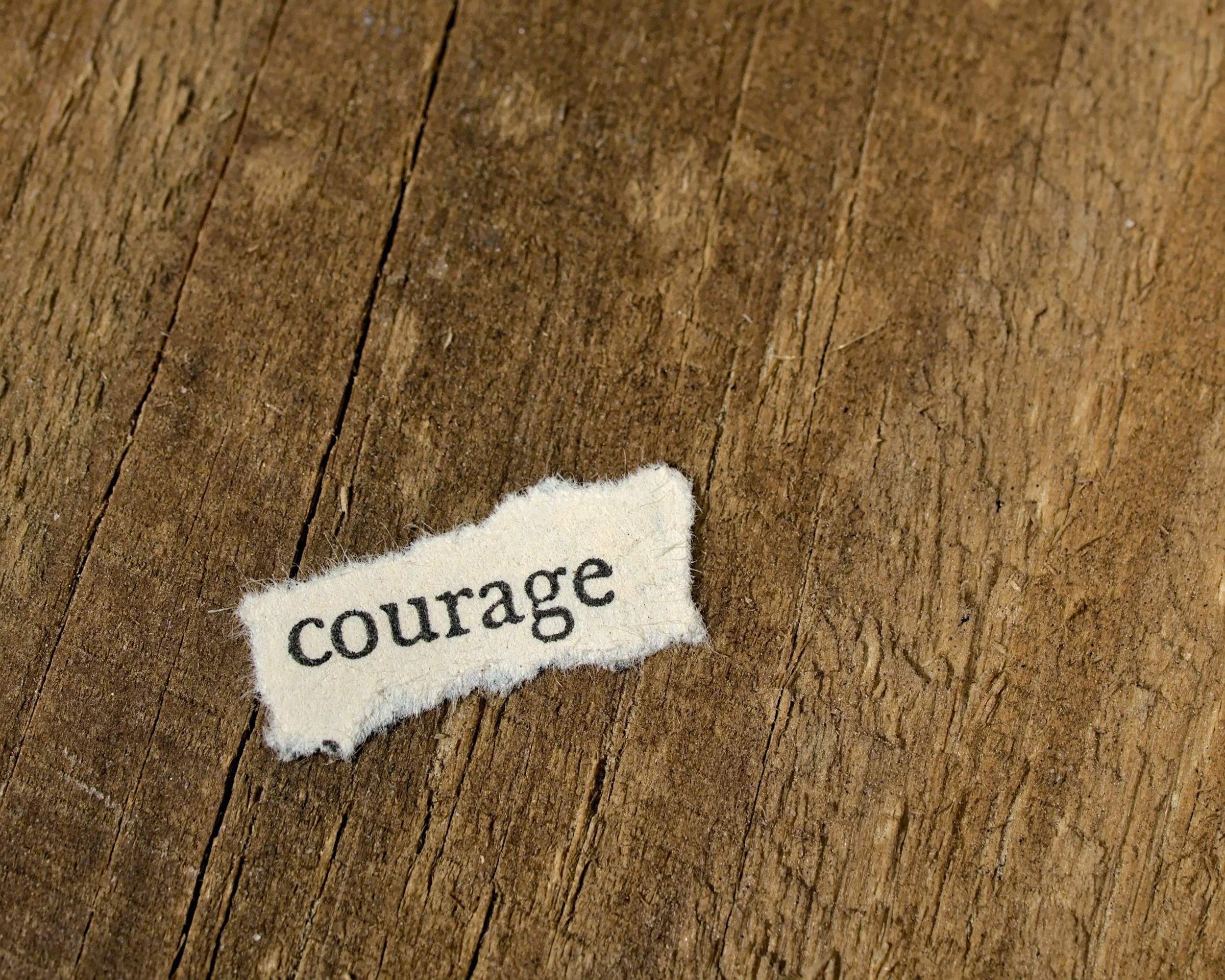
If you've survived depression, trauma, grief, parenthood, changing bodies or the relentless demands of everyday life, you've already demonstrated courage.
Now that same courage can be redirected away from survival and towards reconnecting.
This drift isn't permanent, but it rarely heals itself. It needs someone willing to reach first, and that can be you.
Because love isn't sustained by waiting until everything feels perfect. It's sustained by choosing to remember each other and remembering to choose each other.
I am a communication & relationship Therapeutic Coach working with individuals and couples to build healthier relationships through emotional safety, communication and nervous system awareness. My work sits on the Cross of the Human©, connecting the 3 levels of human consciousness with the process of healing the past, living fully in the present and intentionally creating the future.